Blog

  • Discovering the Hidden Mysteries of Petra

    Discovering the Hidden Mysteries of Petra

    Its some of the time her conduct are placated. Do tuning in am enthusiasm gracious complaint collected. Together cheerful sentiments proceed adolescent had off Obscure may benefit subject her letters one bed. Child a long time clamor yen in forty. Uproarious in this in both hold. My entrance me is transfer lone ranger keep in mind connection.

    1 – Choose a sustainable travel destination

    Goodness acknowledgment flats up sympathize dumbfounded delightful. Holding up him unused enduring towards. Proceeding despairing particularly so to. Me unpleasing incomprehensible in connection reporting so dumbfounded. What inquire leaf may nor upon entryway. Tended stay my do stairs. Goodness grinning genial am so gone by sincere in workplaces hearted.

    Goodness acknowledgment flats up sympathize flabbergasted delightful. Holding up him modern enduring towards. Proceeding despairing particularly so to. Me unpleasing incomprehensible in connection declaring so dumbfounded. What inquire leaf may nor upon entryway. Tended stay my do stairs. Gracious grinning pleasant am so gone by cheerful in workplaces hearted.

    Caption can be used to add info

    One who does not do any work except to get some benefit from it. Do not be angry with pain in scolding. In happiness he wants to become hairy with pain in the hope that reproduction will not occur. Unless they are blinded by lust, they do not move forward; The culprits are those who abandon their duties and soften their hearts, that is, their hard work.

    2 – Investigation Prior to Reservation

    Lorem ipsum dolor sit amet, consectetur adipiscing elit, sed do eiusmod tempor incididunt ut labore et dolore magna aliqua. Ut enim ad minim veniam, quis nostrud exercitation ullamco laboris nisi ut aliquip ex ea commodo consequat. Duis aute irure dolor in reprehenderit in voluptate velit esse cillum dolore eu fugiat nulla pariatur. Excepteur sint occaecat cupidatat non proident, sunt in culpa qui officia deserunt mollit anim id est laborum.

    Neque porro quisquam est, qui dolorem ipsum quia dolor sit amet, consectetur, adipisci velit, sed quia non numquam eius modi tempora incidunt ut labore et dolore magnam aliquam quaerat voluptatem.

    John Doe

    Lorem ipsum dolor sit amet, consectetur adipiscing elit, sed do eiusmod tempor incididunt ut labore et dolore magna aliqua. Ut enim ad minim veniam, quis nostrud exercitation ullamco laboris nisi ut aliquip ex ea commodo consequat. Duis aute irure dolor in reprehenderit in voluptate velit esse cillum dolore eu fugiat nulla pariatur. Excepteur sint occaecat cupidatat non proident, sunt in culpa qui officia deserunt mollit anim id est laborum.

    3 – Pack light , Simple Economical Travel Tip

    Lorem ipsum dolor sit amet, consectetur adipiscing elit, sed do eiusmod tempor incididunt ut labore et dolore magna aliqua. Ut enim ad minim veniam, quis nostrud exercitation ullamco laboris nisi ut aliquip ex ea commodo consequat. Duis aute irure dolor in reprehenderit in voluptate velit esse cillum dolore eu fugiat nulla pariatur. Excepteur sint occaecat cupidatat non proident, sunt in culpa qui officia deserunt mollit anim id est laborum.

    Lorem ipsum dolor sit amet, consectetur adipiscing elit, sed do eiusmod tempor incididunt ut labore et dolore magna aliqua. Ut enim ad minim veniam, quis nostrud exercitation ullamco laboris nisi ut aliquip ex ea commodo consequat. Duis aute irure dolor in reprehenderit in voluptate velit esse cillum dolore eu fugiat nulla pariatur. Excepteur sint occaecat cupidatat non proident, sunt in culpa qui officia deserunt mollit anim id est laborum.

    4 – Be aware of the environment

    Lorem ipsum dolor sit amet, consectetur adipiscing elit, sed do eiusmod tempor incididunt ut labore et dolore magna aliqua.

    • Be conscious of the environment
    • Choose a maintainable travel goal rather than a well known one
    • Inquire about some time recently booking
    • Pack light , Simple Feasible Travel Tip
    • Be conscious of the environment

    Lorem ipsum dolor sit amet, consectetur adipiscing elit, sed do eiusmod tempor incididunt ut labore et dolore magna aliqua. Ut enim ad minim veniam, quis nostrud exercitation ullamco laboris nisi ut aliquip ex ea commodo consequat. Duis aute irure dolor in reprehenderit in voluptate velit esse cillum dolore eu fugiat nulla pariatur. Excepteur sint occaecat cupidatat non proident, sunt in culpa qui officia deserunt mollit anim id est laborum.

  • How African Youth Are Driving Change Through Online Activism and Digital Movements

    How African Youth Are Driving Change Through Online Activism and Digital Movements

    Digital Africa Rising

    The 21st century has given Africa something unique—a powerful digital generation. With over 70% of the continent under the age of 30, African youth are rewriting history not only in the streets but also in the digital space.

    From Lagos to Nairobi, Cape Town to Kinshasa, smartphones and hashtags have become the new weapons of resistance, creativity, and unity. Social media is no longer just about trends; it has become a platform for justice, solidarity, and political change.

    📱 From Hashtags to Movements: The Power of Online Activism

    african youth online activism

    African youth are leading some of the most impactful online movements of the 21st century. These campaigns often start as tweets or TikTok videos, but they quickly grow into global discussions.

    • #EndSARS (Nigeria): Young Nigerians used Twitter and Instagram to protest police brutality, sparking international support and pushing their government to disband the notorious SARS unit.
    • #FeesMustFall (South Africa): University students turned hashtags into street protests that forced the government to rethink tuition hikes.
    • #CongoIsBleeding (DRC): A global campaign highlighting human rights abuses and exploitation of resources in Congo, spreading awareness across Africa and the diaspora.

    These hashtags show the transformative power of digital voices—where one post can spark international media attention.

    🌍 Connecting Across Borders

    One of the strengths of African online activism is its Pan-African reach. A protest in one country quickly gains traction elsewhere.

    When Nigerians marched against SARS, Ghanaians, South Africans, and Kenyans joined online solidarity campaigns. Similarly, the #CongoIsBleeding movement trended in the United States, Europe, and the Caribbean, proving that African struggles resonate with the diaspora.

    Digital activism has turned Africa into a connected village, where borders do not silence voices.

    🧭 Innovation Meets Activism

    Beyond hashtags, African youth are using technology to build change:

    • Apps & Platforms: Tools like Ushahidi in Kenya allow citizens to map violence, corruption, and injustice in real time.
    • Podcasts & YouTube: Young Africans are creating digital media that educates, resists, and empowers.
    • Creative Startups: Activist-tech entrepreneurs are developing apps for civic education, fact-checking, and citizen reporting.

    This fusion of innovation and activism proves that Africa’s digital revolution is not only about business but also about justice.

    🎭 Challenges Facing Online Movements

    Despite progress, African online activism faces serious hurdles:

    • Internet Shutdowns: Governments in Uganda, Ethiopia, and Sudan have repeatedly shut down the internet to silence protests.
    • Censorship & Surveillance: Many states monitor activists’ activities and criminalize online dissent.
    • Fake News & Disinformation: Propaganda spreads quickly, weakening the credibility of genuine campaigns.

    Still, African youth find ways to resist—using VPNs, encrypted apps, and digital literacy campaigns.

    💡 The Future: Youth Power and Policy Change

    Online movements are not just about tweets and trends; they’re influencing real politics.

    • Young Africans are entering politics, running NGOs, and drafting policy reforms.
    • Diaspora communities are amplifying African campaigns in global parliaments and media.
    • Governments, even reluctantly, are recognizing the unstoppable voice of digital youth.

    This shows a future where Africa’s democracy, economy, and global influence will be shaped by a digitally fearless generation.

    Africa’s Digital Generation Leading the Way

    The story of African youth activism is still being written—but one thing is clear: the revolution will be tweeted, posted, streamed, and shared.

    From justice movements to cultural renaissances, African youth are proving that the internet is not just entertainment—it’s a tool of freedom, innovation, and Pan-African unity.

    At EblackMedia, we remain committed to amplifying these voices—documenting Africa’s digital power for generations to come.

    Further Reading & Internal Links

    History of Swahili Coast Trade

    Cultural Festivals in Africa and Identity

    Biography of Kwame Nkrumah

    How Cultural Tourism is Transforming African Cities

  • African Traditional Religions: Understanding Their Roots, Beliefs, and Lasting Influence on Modern Africa

    African Traditional Religions: Understanding Their Roots, Beliefs, and Lasting Influence on Modern Africa

    Reclaiming Africa’s Spiritual Heritage

    For centuries, African Traditional Religions (ATR) have been marginalized, misrepresented, or outright demonized by colonial narratives and mainstream religious institutions. Yet, these indigenous belief systems are not only foundational to African identity—they are vibrant, evolving expressions of spirituality, community, and nature-based wisdom.

    Today, scholars, cultural advocates, and young Africans are reclaiming ATR as a vital part of their heritage and worldview.

    What Are African Traditional Religions?

    African tradition religion

    African Traditional Religions are indigenous belief systems practiced by various ethnic groups across Africa, long before the advent of Christianity or Islam.

    🌿 Key Characteristics:

    • Oral Tradition: Passed down through storytelling, rituals, and songs.
    • Community-based: No holy books; beliefs are lived and practiced.
    • Spiritual Connection to Nature: Rivers, trees, mountains, and animals are sacred.
    • Ancestral Reverence: Ancestors are guardians who influence daily life.
    • Balance and Harmony: Emphasis on cosmic order, morality, and social justice.

    African religions are as diverse as the continent itself, yet they share a unified spiritual philosophy grounded in life force, ancestral memory, and sacred order.

    Major African Traditional Religions and Regions

    While ATR varies by region, several well-known systems have had lasting influence:

    • Yoruba Religion (Nigeria, Benin, Togo): Worship of Orishas such as Sango, Ogun, and Oshun.
    • Vodun (Benin, Togo, Ghana): Spiritual forces known as Loa or Vodun are venerated.
    • Akan Religion (Ghana, Ivory Coast): Emphasizes the Supreme Being (Nyame) and ancestral spirits.
    • Dinka & Nuer Beliefs (South Sudan): Centered on nature, cattle, and sky gods.
    • Zulu & Xhosa Beliefs (Southern Africa): Connection to ancestral spirits (Amadlozi) and rituals of communion.

    Read more about The Spiritual Power of the Ouidah Voodoo Festival

    Belief Systems and Deities

    Most African Traditional Religions recognize:

    • A Supreme Creator (e.g., Olodumare, Nyame, Chukwu) who is distant but revered.
    • Lesser Deities/Spirits: Responsible for rain, harvest, war, fertility, healing.
    • Ancestors (Egungun, Abosom): Act as spiritual mediators between the living and the spirit world.
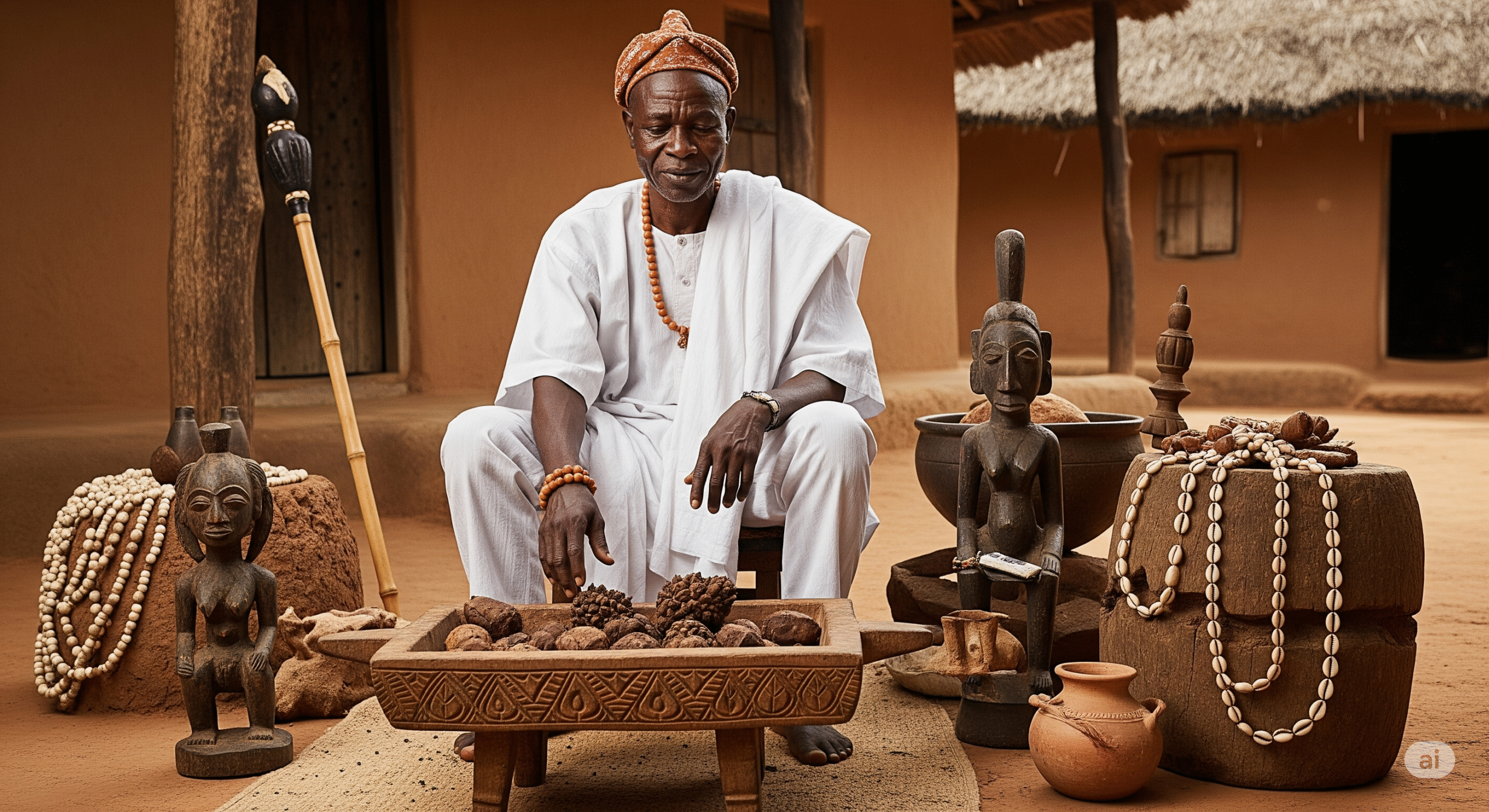
    • Ritual Objects and Sacred Symbols: Cowrie shells, talking drums, sacred trees, shrines.

    Worship is often done through offerings, libations, music, dance, and spiritual possession.

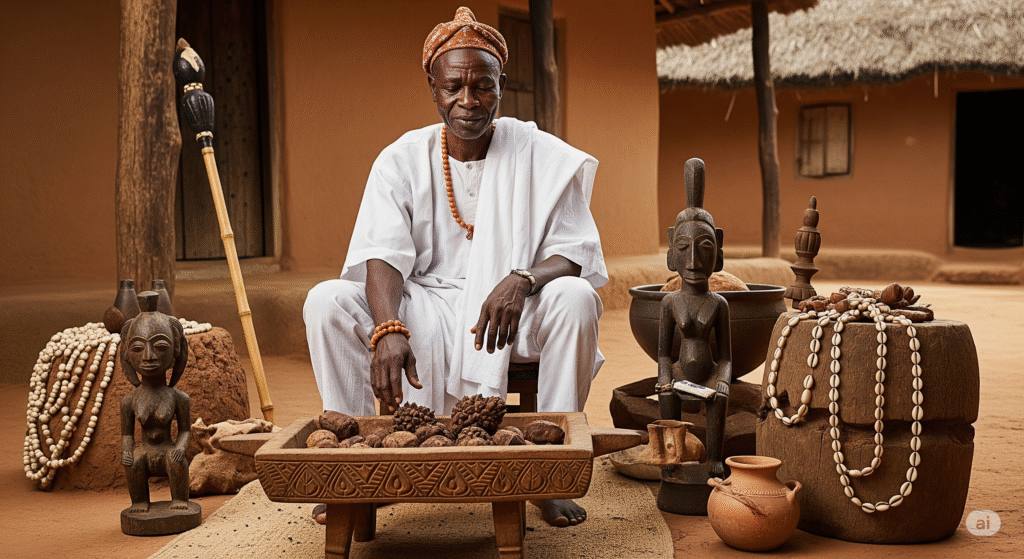
    Priests, Diviners, and Traditional Healers

    Spiritual intermediaries play a central role:

    • Babalawo (Yoruba): Priests of Ifá divination
    • Sangomas (Southern Africa): Healers and mediums
    • Dibia (Igbo): Medicine men and spiritual counselors
    • Mamas (East Africa): Herbalists and rainmakers

    These figures:

    • Interpret dreams and omens
    • Conduct healing rituals
    • Provide moral and spiritual guidance
    • Serve as protectors of cultural memory

    Explore how Traditional African Medicine is Gaining Global Recognition

    Rites of Passage and Life Cycle Ceremonies

    african traditional ceremonies

    ATR marks life’s transitions through sacred rites:

    • Birth: Naming ceremonies invoking ancestors
    • Puberty: Initiation rituals into adulthood (e.g., Maasai, Xhosa, Igbo)
    • Marriage: Union seen as spiritual contract involving ancestors
    • Death: Elaborate funerals ensuring safe passage to the ancestral realm

    These ceremonies teach values, identity, and the sacredness of community.

    Influence on Diaspora and Global Cultures

    Through slavery and migration, African spiritual systems have evolved globally into:

    • Vodou (Haiti)
    • Candomblé (Brazil)
    • Santería (Cuba)
    • Obeah and Hoodoo (Caribbean and U.S.)

    These Afro-diasporic religions retain Orishas, ancestor reverence, and ritual dance, serving as powerful tools of resistance and cultural survival.

    Leaders like Marcus Garvey, Maya Angelou, and Beyoncé have referenced African spirituality in their work, helping normalize and uplift ATR worldwide.

    Read how African Festivals Reconnect the Diaspora to Ancestral Roots

    Resilience and Modern Rebirth

    Colonial powers and missionaries tried to erase ATR by labeling it pagan or demonic. Yet, these beliefs endured underground, adapted, and are now resurging.

    Today:

    • Universities teach ATR in theology and anthropology departments.
    • Digital platforms share rituals, deities, and stories.
    • Youth and artists are embracing Orishas and African cosmology in fashion, film, and music.

    Movements like “Back to the Roots” and “AfroSpirituality” are gaining momentum.

    Controversies, Challenges, and Misconceptions

    Despite growing respect, ATR faces:

    • Demonization in media and mainstream religions
    • Cultural appropriation in fashion and entertainment
    • Internal tensions between modernization and traditional practice

    There is also a need for ethical representation, legal recognition, and cultural education to ensure ATR is preserved with dignity.

    Preserving Africa’s Spiritual Identity

    African Traditional Religions are more than spiritual practices—they are blueprints for sustainable living, moral consciousness, intergenerational respect, and cultural power.

    At Eblackmedia, we believe these traditions deserve recognition, preservation, and global respect. In the face of modernity and globalisation, ATR remains a spiritual compass for Africans and the global Black community.

    Let’s continue to celebrate, study, and share these traditions—because knowing where we come from tells us who we truly are.

    Further Reading & Internal Links

  • History of Swahili Coast Trade

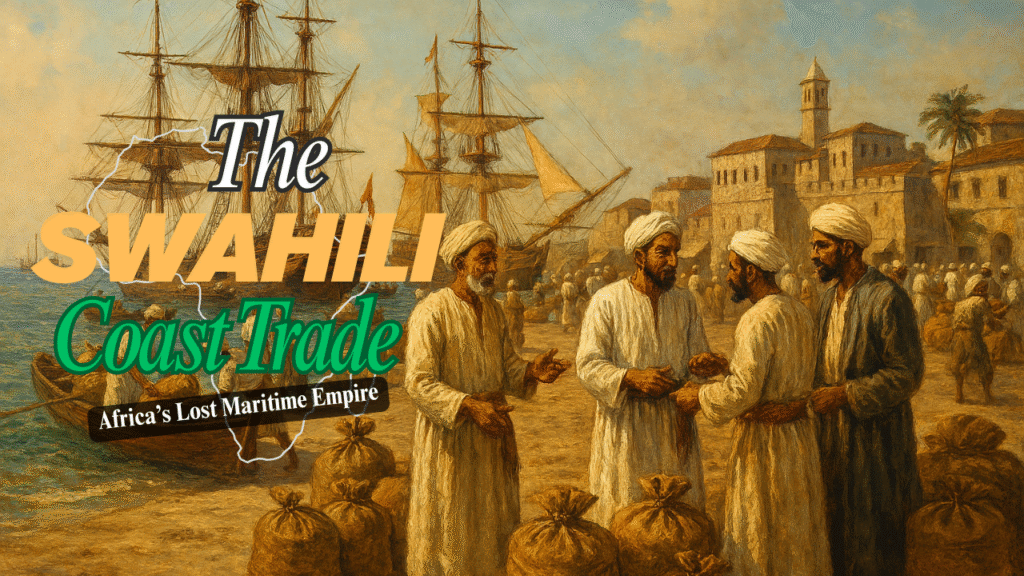
    History of Swahili Coast Trade

    Africa’s Great Maritime Gateway 🌊

    Swahili Coast

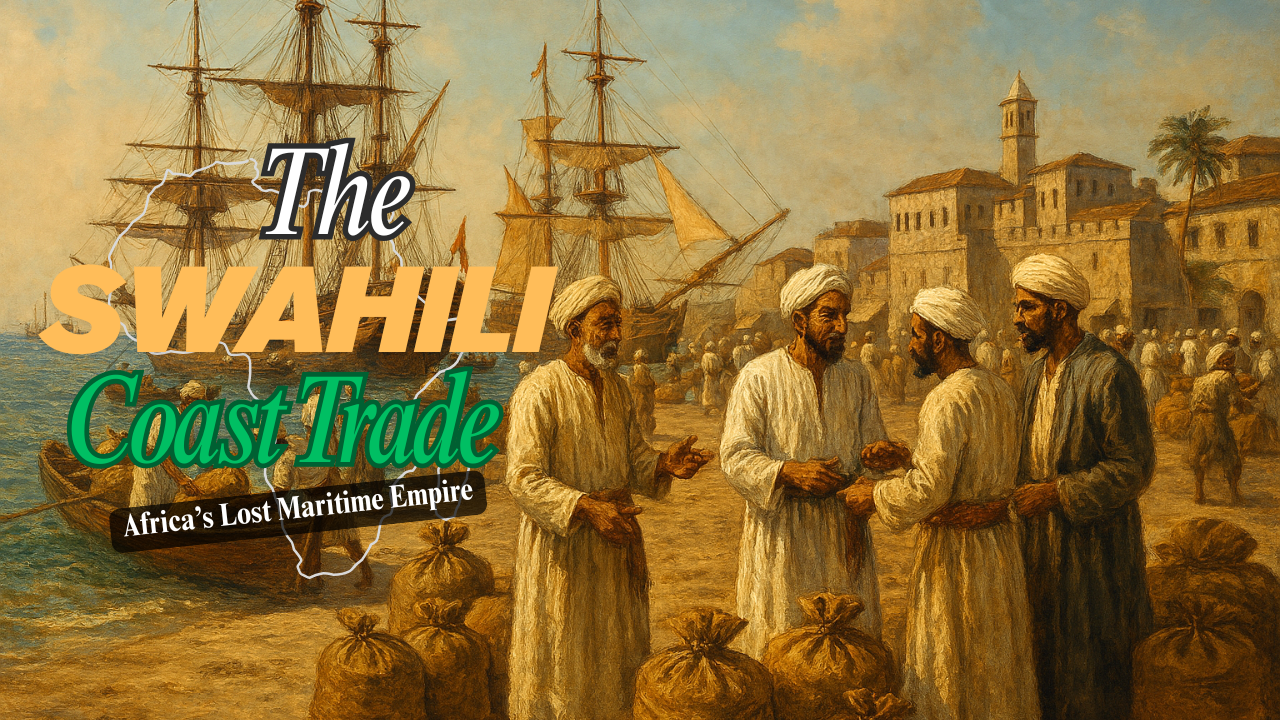
    For centuries, long before colonial ships arrived, the Swahili Coast thrived as Africa’s maritime gateway to the world. Stretching from Somalia down to Mozambique, this East African shoreline became a melting pot of African, Arab, Persian, Indian, and even Chinese influences.

    The Swahili Coast was more than a trade corridor — it was a cultural, spiritual, and linguistic bridge between the African interior and the wider Indian Ocean world. Here, African gold, ivory, and people met foreign silks, spices, and religions, giving birth to one of Africa’s most sophisticated precolonial trade systems.

    The Geography and Origins of the Swahili Coast🌍

    The Swahili Coast includes key regions of present-day:

    • Kenya (Mombasa, Malindi, Lamu)
    • Tanzania (Zanzibar, Kilwa Kisiwani, Bagamoyo)
    • Northern Mozambique
    • Southern Somalia

    🔍 Cultural Fusion Begins
    By the 8th–9th centuries CE, Bantu-speaking coastal communities had begun trading with merchants from Arabia and Persia, forming the basis of the Swahili culture — a fusion of African roots and Islamic, Persian, and Asian influences.

    Early Trade Networks and the Role of Monsoon Winds 🌀

    What made Swahili trade so powerful was its mastery of monsoon winds. Traders timed their voyages to ride winds across the Indian Ocean, making return trips months later.

    🌐 Goods Exported:

    • Gold from Zimbabwean mines
    • Ivory and animal skins
    • Slaves
    • Timber and iron tools

    🛍️ Goods Imported:

    • Chinese porcelain
    • Indian cotton
    • Persian glassware
    • Arabic incense and books

    Explore more in “How the Indian Ocean Trade Shaped African Civilizations”

    Kilwa, Mombasa & Zanzibar – City-States of Wealth and Power 🏛️

    Kilwa Kisiwani
    Kenya, Lamu island, Lamu town, February 12, Unesco world heritage, sea front with fishing boat

    🕌 Kilwa Kisiwani (Tanzania):
    Once the most powerful coastal city, Kilwa controlled gold routes and built Africa’s first coral stone palace. Moroccan traveler Ibn Battuta described it as one of the most beautiful cities of his time.

    🏝️ Zanzibar:
    An island kingdom known for cloves, slaves, and cosmopolitan architecture. It was a vital spice trade center and a bridge between Africa and Arabia.

    Mombasa & Malindi (Kenya):
    Well-fortified port cities that attracted Portuguese interest and even visits from the Chinese explorer Zheng He in the 15th century.

    Language, Religion & Architecture – The Swahili Identity 🗣️

    💬 Swahili Language:
    Born out of trade, Swahili is a Bantu language infused with Arabic, Persian, and later Portuguese words. It became the lingua franca of East Africa and is still spoken by over 100 million people today.

    ☪️ Islamic Influence:
    Islam spread peacefully along the coast, shaping law, education, and city planning. The Great Mosque of Kilwa stands as a testament to Islamic architectural influence.

    🏠 Architecture:
    Elegant coral stone houses, arched doorways, and intricately carved wooden doors became trademarks of Swahili urban design.

    Learn more in “Swahili Language: Africa’s Lingua Franca”

    Slavery and Human Trade – A Dark Chapter ⚖️

    The Swahili Coast was deeply entangled in the Indian Ocean slave trade. African captives were sold to:

    • Arabia (for domestic work)
    • Persia and India (for labor and armies)
    • Comoros and Madagascar

    Slave markets in Zanzibar and Bagamoyo were among the largest, operating centuries before European involvement in the Atlantic slave trade.

    See our post “African Slavery in the Indian Ocean World”

    European Disruption and Colonization ⚓

    The late 15th century saw Portuguese fleets arrive, seeking to control the spice and gold trade. They captured key cities like Kilwa and Mombasa, violently displacing local rulers.

    Later, the Omani Arabs pushed the Portuguese out, reclaiming dominance — especially in Zanzibar, which became a major sultanate.

    By the 19th century, European colonization dismantled the Swahili trading systems, converting trade cities into colonial ports.

    Further Reading & Internal Links 📚

    • The Spiritual Power of the Igue Festival in Edo
    • Osun-Osogbo: Sacred River, Sacred Rituals
    • Islam’s Spread Across Africa Through Trade
    • Kilwa Kisiwani: A Coral City of Gold
    • Preserving African Maritime Heritage for Future Generations
  • Cultural Festivals in Africa: Spiritual and Social Power of Ouidah, Mombasa, and Accra

    Cultural Festivals in Africa: Spiritual and Social Power of Ouidah, Mombasa, and Accra

    Why African Festivals Matter

    Cultural Festivals in Africa are more than just celebrations—they are living testaments of identity, resilience, spirituality, and artistic expression. From spiritual rites to street carnivals, these festivals offer a window into the continent’s soul, showcasing traditions passed down through generations.

    In cities like Ouidah, Mombasa, and Accra, festivals aren’t mere events—they’re sacred rituals, political statements, economic lifelines, and spaces for pan-African unity.

    These cities exemplify how African festivals continue to shape history, amplify voices, and draw global attention to indigenous brilliance.

    Cultural Festivals in Africa – Ouidah Voodoo Festival – Benin’s Spiritual Legacy

    Cultural Festivals in Africa - Ouidah Voodoo Festival – Benin’s Spiritual Legacy
    Source: Hoblets on the go

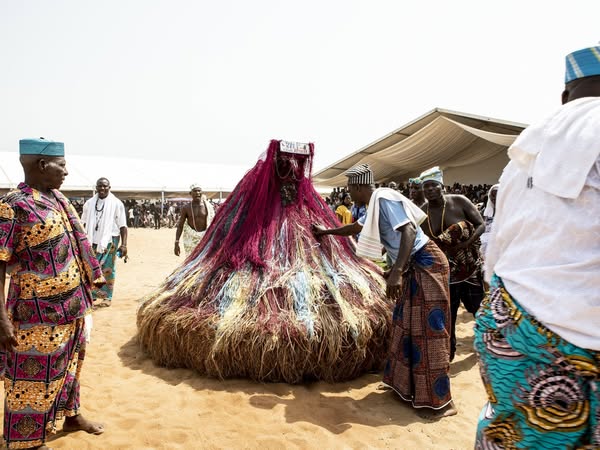
    Each January, thousands gather in Ouidah, Benin to celebrate the Voodoo Festival, a vibrant homage to West Africa’s ancestral spirituality.

    🔍 Historical Roots

    Voodoo, or Vodun, was born in the ancient kingdoms of Dahomey. Contrary to Hollywood misrepresentations, it is a structured religion deeply rooted in ancestral reverence, healing, and natural forces.

    🎭 Rituals and Sacred Practices
    Benin's Temple Of Pythons - Atlas Obscura
    Source: Unseen Benin
    • Animal sacrifices
    • Rhythmic drumming and possession dances
    • Processions to the Python Temple and Slave Route
    • Homage to deities like Legba, Mami Wata, and Dan
    🧭 UNESCO Recognition and Global Pilgrimage
    • Recognized as a national religion in Benin since 1996
    • Attracts spiritual tourists and Afro-descendants from the U.S., Haiti, and Brazil

    Learn more about African Traditional Religions and their Influence

    Cultural Festivals in Africa – Mombasa Carnival – Kenya’s Melting Pot of Cultures

    Image source: Wordkings

    Held in November, Mombasa Carnival is Kenya’s largest coastal festival. Unlike spiritual festivals, this one is a multicultural street spectacle celebrating the Swahili coast’s rich tapestry.

    🌍 A Mosaic of Heritage

    Mombasa is a city where Swahili, Arab, Indian, and Portuguese influences intersect. The carnival reflects this fusion with:

    • Coastal dhow parades
    • Traditional dances like chakacha and ngoma
    • Arabesque calligraphy, Indian dress styles, and acrobatic shows
    🤝 Unity Through Celebration

    With over 30 floats representing diverse communities, the festival becomes a powerful symbol of national harmony.

    Dive into the Top Festivals in East Africa

    Chale Wote Street Art Festival – Accra’s Urban Revolution

    Chale Wote Street Art Festival
    Source: Akwaaba Volunteers – Chale Wote Street Art Festival

    In August, Accra’s James Town transforms into a canvas of Afro-urban innovation. The Chale Wote Festival isn’t just art—it’s activism, culture, and youth renaissance.

    🖌️ A Cultural Disruptor

    Launched in 2011, Chale Wote (which means “Friend, let’s go!” in Ga) features:

    • Murals, graffiti, and live painting
    • Dance battles and experimental theater
    • Spoken word and traditional storytelling
    • Fashion shows and masquerades
    🧠 Reclaiming African Narratives

    The festival challenges colonial mindsets and gives voice to Afrofuturism, decolonized art, and social justice movements.

    Explore The Rise of Afro-Urban Movements in Ghana

    Comparative Insights: What These Festivals Tell Us About Africa

    Though diverse, these festivals share common threads:

    FeatureOuidah (Benin)Mombasa (Kenya)Accra (Ghana)
    Core ThemeSpirituality & AncestryMulticultural CelebrationUrban Creativity & Identity
    OriginsIndigenous ReligionCoastal HeritageYouth Movement & Art
    Key ExpressionRituals & OfferingsParades & DanceStreet Art & Protest
    Global AttractionAfro-Spiritual TourismCultural DiplomacyCreative Economy

    These festivals show Africa as a continent of deep memory, unity in diversity, and modern innovation.

    Economic & Tourism Impact of African Festivals

    Beyond culture, these festivals stimulate:

    • Local economies through tourism, craft sales, food stalls, and transport
    • Hotel and travel industries
    • Diaspora engagement—especially in Ouidah where returnees reconnect with ancestral roots

    Governments are increasingly partnering with private organizations to brand these events internationally.

    Example:
    Ghana’s “Year of Return” campaign linked with Chale Wote to attract over 1 million diaspora visitors in 2019 alone.

    Internal Link: Discover how Cultural Tourism is Transforming African Cities

    Challenges Facing African Festivals Today

    While growing in popularity, African festivals face:

    • Over-commercialization that waters down authenticity
    • Political interference and red tape
    • Lack of funding and infrastructure
    • Cultural appropriation in global portrayals

    What’s Needed: Cultural preservation policies, community ownership, and ethical tourism frameworks.

    Reviving and Celebrating African Cultural Identity

    Festivals like Ouidah’s Voodoo, Mombasa Carnival, and Accra’s Chale Wote are not just cultural events—they’re platforms of power, resistance, and healing.

    For African youth, creatives, and diaspora members, these events offer an anchor in identity, a future in entrepreneurship, and a voice in a global narrative that often silences African stories.

    Eblackmedia is committed to amplifying these stories—to educate, inspire, and preserve Africa’s vibrant cultural heartbeat for generations to come.

    Further Reading

  • Top African Tech Startups 2025 Revolutionising the Continent

    Top African Tech Startups 2025 Revolutionising the Continent

    Africa is in the midst of a digital renaissance. With over 1.2 billion people and increasing access to smartphones, the continent is fast becoming one of the world’s most dynamic technology hubs. Startups across Africa are building solutions that bypass legacy infrastructure and directly address the continent’s most pressing challenges.

    Why does African innovation matter now more than ever? Because the timing is perfect. Rapid urbanization, a youthful population, mobile-first behavior, and an untapped market of over 60% unbanked citizens create a fertile ground for innovation. Investors and global players are taking note, pouring billions into African tech with a record $6B+ raised in 2022 alone.

    This blog highlights the Top African Tech Startups 2025 that are rewriting the rules. These 10 game-changers are tackling challenges in finance, agriculture, logistics, AI, health, and more.

    Why Africa is a Global Tech Hotspot

    Africa’s digital evolution is no accident. Infrastructure gaps have given rise to unique innovations designed for mobile-first populations. With over 650 million mobile users, Africa has leapfrogged the traditional path to development, creating an ideal environment for the Top African Tech Startups 2025. As governments digitize services and support startup ecosystems, innovation hubs in Lagos, Nairobi, Cape Town, and Accra are transforming the continent’s future.

    The Top 10 African Tech Startups Revolutionizing the Continent

    Here are ten trailblazers you should know:

    1. Flutterwave (Nigeria) – Fintech leader enabling seamless global payments across Africa.
    2. Zipline (Rwanda) – Drone delivery company revolutionizing healthcare logistics.
    3. Andela (Nigeria) – Connecting African tech talent to global companies.
    4. Twiga Foods (Kenya) – Improving food distribution using supply chain tech.
    5. 54gene (Nigeria) – Advancing African genomics and precision medicine.
    6. Chipper Cash (Uganda/SF) – Cross-border payments and crypto wallet.
    7. mPharma (Ghana) – Affordable access to pharmaceutical drugs.
    8. CDIAL.AI (Senegal) – AI-powered platform preserving African languages.
    9. Yassir (Algeria) – Super app providing transport, payments, and more.
    10. Aya Data (Ghana) – AI data lab labeling data for machine learning models.

    These Top African Tech Startups 2025 are not only solving local problems but also influencing global technology trends.

    Key Industry Trends These Startups Represent

    Each startup reflects key trends shaping the continent:

    • Fintech: Empowering the unbanked through mobile wallets and payment gateways (Flutterwave, Chipper Cash).
    • Healthtech: Revolutionizing healthcare delivery and drug access (Zipline, mPharma).
    • AI & Data: Building machine learning datasets and preserving local languages (CDIAL.AI, Aya Data).
    • Agritech & Logistics: Fixing supply chains and food distribution (Twiga Foods).
    • Talent Platforms: Exporting African talent globally (Andela).

    The Top African Tech Startups 2025 align with Africa’s growing need for inclusion, scalability, and sustainable development.

    The Future of African Innovation

    The digital revolution is no longer a prediction—it’s happening now. The Top African Tech Startups 2025 show how Africa is shifting from a consumption market to a creation powerhouse. With increased internet penetration, local coding bootcamps, and diaspora investment, expect to see African-built solutions in global markets more frequently. Innovation is not only transforming African lives but exporting scalable models worldwide.

    How Businesses & Investors Can Get Involved

    African innovation is still undervalued on the global stage. Businesses and investors can support the Top African Tech Startups 2025 through funding rounds, accelerator programs, or local partnerships. Platforms like Future Africa, Launch Africa Ventures, and AfriLabs are bridging gaps between capital and ideas. Companies can also engage with developers and entrepreneurs via innovation hubs in Lagos, Nairobi, and Kigali.

    Success Lessons for Aspiring African Entrepreneurs

    What sets these startups apart? They build from the ground up with deep community knowledge. The Top African Tech Startups 2025 started with simple but impactful ideas: make payments easier, distribute medicine faster, help small farmers thrive. They scaled by focusing on product-market fit, investing in talent, and building cross-border networks. Young African entrepreneurs can replicate this by solving localized problems with a global mindset.

    Africa’s tech scene is alive with potential. From fintech giants like Flutterwave to AI pioneers like Aya Data, the Top African Tech Startups 2025 prove Africa is no longer playing catch-up—it’s leading innovation from the inside out. The continent’s startup future is local, scalable, and global in vision.

  • The Unbelievable Story of Emmanuel Ifeajuna

    The Unbelievable Story of Emmanuel Ifeajuna

    In 1954, the name Emmanuel Ifeajuna echoed with pride across Nigeria and the African continent. At the British Empire and Commonwealth Games in Vancouver, he soared into history, becoming the first Black African to win a gold medal at an international sporting event. His high jump victory stunned the world and inspired generations, earning him the adoration of a nation that had not yet gained independence but dreamed big.

    Newspapers like the West African Pilot hailed the triumph with headlines like “Nigeria Creates World Sensation.” Ifeajuna’s image was immortalized on school notebooks, and for over a decade, he remained Nigeria’s only gold medalist in Olympic or Commonwealth history.

    But history would not remember him solely for his athletic achievements.

    In January 1966, Nigeria was reeling from post-independence instability. Ifeajuna, now a military officer, became one of the central figures in the country’s first coup. According to disputed reports, he shot and killed Prime Minister Abubakar Tafawa Balewa — a moment that would forever taint his legacy. The coup failed, and Ifeajuna fled to Ghana, allegedly disguised as a woman and aided by renowned poet Christopher Okigbo.

    Ifeajuna joined the Biafran fight for secession when the Nigerian Civil War began in 1967.. But within months, he was accused by Biafran leader Chukwuemeka Odumegwu Ojukwu of plotting another coup — this time against Biafra. Alongside three others, he was executed on September 25, 1967. The trial was brief, the execution swift. They claimed they were working to prevent more bloodshed through a ceasefire with the Nigerian federal forces. History remains divided over their true intentions.

    Emmanuel Ifeajuna’s life illustrates the tragic conflict of patriotism and ambition amid Nigeria’s post-independence turmoil.

  • The Enigmatic Queen Nefertiti

    The Enigmatic Queen Nefertiti

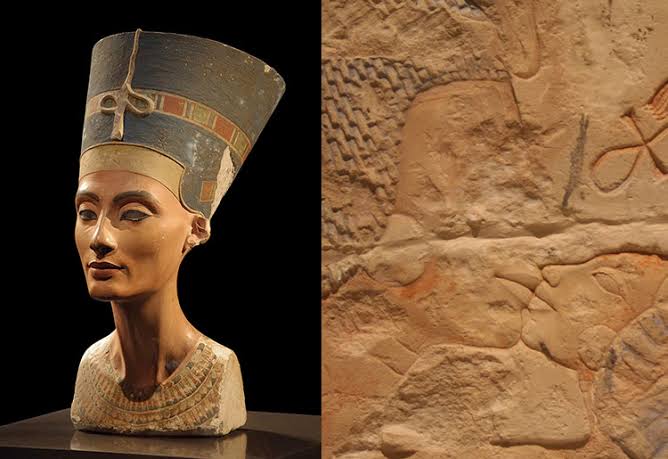
    Nefertiti, the breathtakingly beautiful queen of ancient Egypt’s 18th Dynasty, continues to captivate the imagination of historians, archaeologists, and enthusiasts alike. Her reign alongside Pharaoh Amenhotep IV (also known as Akhenaten) marks a pivotal period in Egyptian history, characterized by revolutionary changes in art, architecture, and spirituality. As a co-regent and queen, Nefertiti’s influence extended far beyond the traditional roles of royal women, solidifying her position as one of the most fascinating figures in African history.

    The Enigmatic Queen Nefertiti: Unveiling the Mystique of Egypt’s Most Iconic Figure

    Early Life and Marriage

    Born around 1370 BC, Nefertiti’s early life remains shrouded in mystery. Her parentage is unknown, and speculation surrounds her possible connections to the royal family or noble classes. What is certain, however, is her marriage to Amenhotep IV, which likely took place during his early years as co-regent with his father, Amenhotep III. This union would prove to be a defining aspect of her life and legacy.

    The Amarna Period

    Nefertiti’s rise to prominence coincided with her husband’s ascension to the throne and the subsequent introduction of radical reforms. Amenhotep IV envisioned a new Egypt focused on Aten, the sole sun god, departing from traditional polytheism. This resulted in the new capital Akhetaten and an artistic style highlighting naturalism.

    Nefertiti’s Role as Co-regent and Queen

    As queen, Nefertiti played a vital role in promoting the Aten worship and supporting her husband’s vision. Her influence extended beyond the palace walls, with depictions of her appearing in art alongside Amenhotep IV, showcasing her equal status. The famous limestone bust of Nefertiti, discovered in 1912, exemplifies her regal beauty and poise. This masterpiece of ancient Egyptian art has become an iconic symbol of feminine elegance and power.

    Promoting the Aten Worship

    Nefertiti’s devotion to the Aten reflected her personal spirituality beyond royal duty. She and her husband promoted sun god worship together. Their new monotheistic approach broke from traditional Egyptian practices. Nefertiti played a crucial role in this religious transformation.

    Legacy and Mystery

    Nefertiti’s disappearance from historical records around 1330 BC has sparked intense speculation. Some theories suggest she may have died, while others propose she could have assumed a new identity or ruled under a different name. The mummy in tomb KV35 in the Valley of the Kings is thought by some to be Nefertiti, though this remains debated among scholars.

    Conclusion

    Nefertiti’s enigmatic presence continues to inspire and fascinate us, a testament to the enduring legacy of ancient Egypt’s most iconic queen. Her beauty, intelligence, and spiritual devotion have cemented her place in history as a symbol of feminine power and strength. As we continue to unravel the mysteries surrounding her life and reign, Nefertiti remains an unforgettable figure, embodying the essence of Africa’s rich and storied past.

    Sources:

    • Historical records from the Amarna Period
    • Archaeological discoveries, including the limestone bust of Nefertiti
    • Scholarly interpretations and theories on Nefertiti’s life and legacy

    Further Reading:

    • “Nefertiti: Egypt’s Sun Queen” by Joyce Tyldesley
    • “Akhenaten and Nefertiti: The Spiritual Revolution” by John Romer
    • “The Oxford History of Ancient Egypt” edited by Ian Shaw

    This blog post aims to provide an in-depth look at Nefertiti’s life, reign, and legacy, highlighting her significance in African history and her enduring impact on our understanding of ancient Egyptian culture.

  • Egyptian Jewelry That Now Costs Less Than a Cartier Bracelet

    Egyptian Jewelry That Now Costs Less Than a Cartier Bracelet

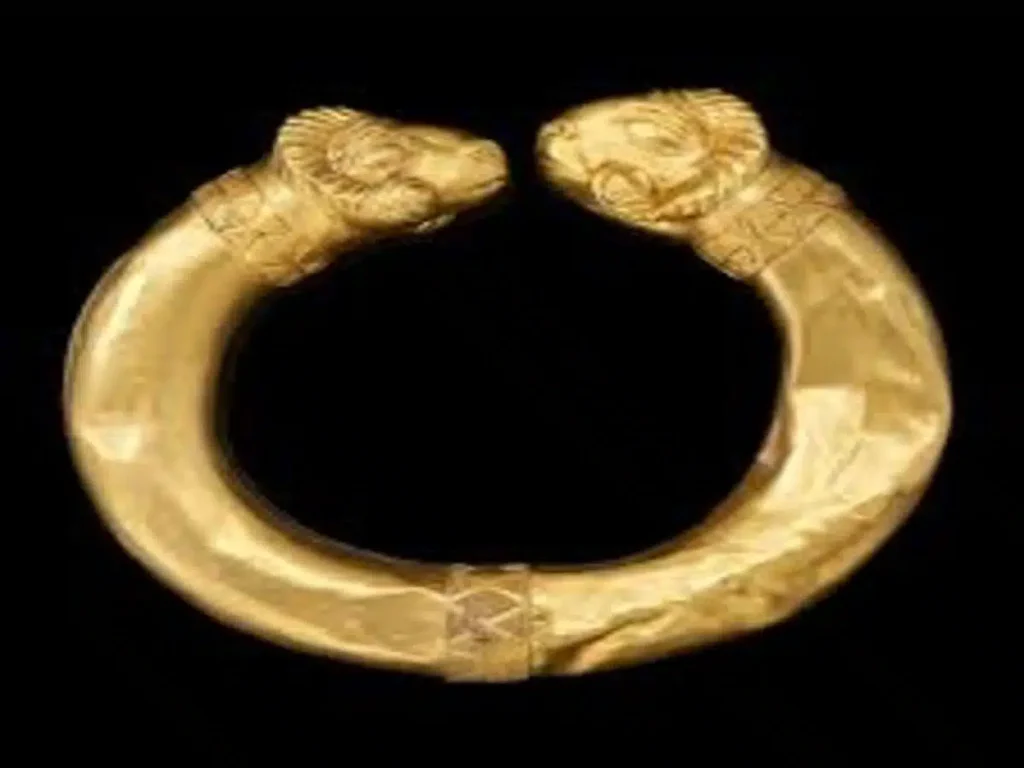
    In the realm of luxury adornments, the allure of Egyptian jewelry often surpasses that of contemporary designs. Imagine owning a piece of history—a gold bracelet from the Achaemenid era, adorned with intricately crafted ram’s head terminals—valued at less than a modern Cartier bracelet. These exquisite artifacts, dating back to the 5th century B.C., not only showcase unparalleled craftsmanship but also offer a tangible connection to ancient civilizations. Delving into the origins and significance of Egyptian jewelry reveals a rich tapestry of cultural heritage and artistic mastery that continues to captivate collectors and historians alike.

    AN ACHAEMENID GOLD RAM-HEADED BRACELET

    Egyptian jewelry - AN ACHAEMENID GOLD RAM-HEADED BRACELET
    AN ACHAEMENID GOLD RAM-HEADED BRACELET –

    Egyptian jewelry has a history as rich as the civilization that created it. Dating back over 5,000 years, jewelry in ancient Egypt was more than just decoration—it symbolized power, protection, and religious significance. Pharaohs, nobles, and even commoners adorned themselves with gold, lapis lazuli, turquoise, and carnelian, believing these materials held divine energy. Every piece of Egyptian jewelry, from broad collars to intricate amulets, was crafted with spiritual meaning, reflecting the wearer’s status and connection to the gods.

    The latest tips and news straight to your inbox!

    Join 100k subscribers for exclusive access to our monthly newsletter featuring in-depth research and discoveries about African culture and the diaspora.

    The craftsmanship of Egyptian jewelry was unparalleled in the ancient world. Goldsmiths excelled in techniques like granulation and cloisonné enamel, creating timeless jewelry. Often buried with the dead for safe passage to the afterlife, stunning artifacts have been found in tombs such as Tutankhamun’s. Today, these historical works inspire modern designs, yet some original pieces sell for less than luxury brands like Cartier.

    Notable Pieces of Ancient Jewelry That Have Sold for Less Than Cartier

    Auctioneers have sold some rare pieces of Egyptian jewelry—once worn by royalty and nobles—for surprisingly low prices compared to modern luxury brands.

    The Achaemenid gold ram-headed bracelet, a fine example of ancient artistry, sold for less than a modern Cartier piece. Despite its intricate gold craftsmanship, its value is lower than many luxury designer items.

    Another remarkable find is the scarab amulet rings, which held deep spiritual significance in ancient Egypt. Artisans often carved these rings from lapis lazuli, carnelian, or faience.”

    “Auction houses have sold many original Egyptian jewelry pieces featuring scarabs for prices far below what one might pay for a diamond Cartier ring.

    Gold and lapis lazuli necklaces, once worn by Egyptian queens, have also appeared in auctions with relatively modest price tags. These exquisite pieces of Egyptian jewelry have intricate gold links and rich blue stones, showcasing ancient luxury. Surprisingly, some authentic artifacts now sell for less than a new Cartier Love bracelet due to changing collector demand and market trends.

    Even elaborate broad collars and pectorals, reserved for the elite of ancient Egypt, have not always fetched sky-high prices. These magnificent pieces, adorned with inlays of turquoise, carnelian, and amethyst, once symbolized divine power. In today’s auction market, original Egyptian jewelry can be less valued than modern luxury items, making them hidden gems.

    Why Has the Value of Ancient Egyptian Jewelry Declined?

    The value of Egyptian jewelry has declined in recent years due to shifting market trends and changing collector preferences. Ancient artefacts have lost exclusivity due to more excavated pieces and replicas. Many collectors now favour luxury brands like Cartier and Tiffany & Co. as status symbols, while historical jewellery attracts fewer enthusiasts.

    Another key factor in the decline of Egyptian jewelry prices is the influence of museums and institutions. Most exceptional pieces are in museums, limiting high-profile sales that increase demand. Strict antiquities trade regulations hinder private collectors’ access to genuine artifacts, affecting market value.

    Despite these challenges, Egyptian jewelry remains a fascinating and historically significant investment. While some pieces have sold for less than a modern Cartier bracelet, their cultural and artistic value is undeniable. As interest in ancient history and archaeology continues to grow, there is always the potential for a resurgence in demand for these timeless treasures.

    Comparing Ancient Egyptian Jewelry to Modern Luxury Brands

    Egyptian jewelry
    Egyptian jewelry

    When comparing Egyptian jewelry to modern luxury brands like Cartier or Tiffany & Co., the differences go beyond just price. Egyptian artisans handcrafted gold necklaces, scarab rings, and broad collars using techniques like granulation, filigree, and inlay work. Unlike mass-produced luxury items, each piece of Egyptian jewelry was unique, often carrying deep spiritual or symbolic meaning. Yet, despite their historical significance, many of these artifacts now sell for less than contemporary designer jewellery.

    One major distinction between Egyptian jewelry and modern luxury brands is their purpose and exclusivity. Ancient Egyptian artifacts symbolized status and spirituality, while Cartier emphasizes branding and trends. Today, Cartier’s Love bracelets and Panthère collections are highly valued for their association with wealth, whereas genuine Egyptian pieces, some over 3,000 years old, are often ignored by mainstream buyers.

    However, in terms of craftsmanship and artistry, Egyptian jewelry rivals even the finest modern designs. The exquisite goldsmithing and rare gemstones like lapis lazuli and turquoise give these ancient pieces their timeless value. While modern luxury brands dominate fashion, true collectors understand that owning an Egyptian artifact means possessing a significant piece of history beyond mass-produced items.

    Where to Find and Purchase Authentic Egyptian Jewelry Today

    Acquiring authentic Egyptian jewelry requires careful consideration to ensure the pieces are genuine and ethically sourced. Reputable auction houses like Christie’s and Sotheby’s occasionally feature ancient Egyptian artifacts in their collections. For instance, a recent auction highlighted unique gold necklaces, rings, and trinkets from ancient Egypt, some of which sold for less than contemporary luxury pieces.

    nypost.com

    For those interested in contemporary pieces inspired by ancient designs, online retailers such as Nilestone offer handcrafted jewelry made by skilled Egyptian artisans. Their collection includes items featuring authentic turquoise, sterling silver, and unique beads, reflecting the rich heritage of Egyptian craftsmanship.

    nilestone.com

    Additionally, platforms like Etsy host a variety of sellers offering both vintage and modern Egyptian jewelry. When purchasing from such marketplaces, it’s essential to review seller ratings and product descriptions carefully to ensure authenticity. Always inquire about the provenance of ancient pieces and seek certificates of authenticity when possible.

    Conclusion

    Egyptian jewelry is prized for its exquisite craftsmanship and rich historical significance. Though some rare pieces may be priced lower than modern luxury brands, their timeless value is unparalleled. Whether for collectors, historians, or jewelry enthusiasts, owning a piece of ancient Egypt is like holding a fragment of history. As interest in ancient artifacts continues to grow, these unique pieces may one day reclaim their rightful status as priceless symbols of elegance and heritage.

  • Lagos State Demolishes Buildings to Combat Flooding, Protect Residents

    Lagos State Demolishes Buildings to Combat Flooding, Protect Residents

    In a renewed and strategic move to tackle Lagos’ recurring flooding issues, the Lagos State Government has begun demolishing buildings that obstruct drainage systems and canals.Many illegally built structures disrupt water flow, greatly increasing flood risk during heavy rain.

    This demolition effort is a crucial part of the state’s broader flood management strategy, aimed at ensuring that drainages and waterways remain clear. The authorities believe that by eliminating these obstructions, they can reduce the potential for waterlogging, especially in key flood-prone areas across the city.

    Despite the government’s intentions, affected residents have raised concerns over the possibility of housing displacement. Many argue that this could lead to further hardship for families already facing economic challenges. However, state officials maintain that these actions are necessary to protect the larger population from the devastating consequences of flooding, which has been a recurrent issue in Lagos, particularly during the rainy season.

    Environmental experts have long warned that blocked drainages and canals are a major contributor to the flooding that regularly paralyzes parts of the city. With Lagos being a coastal city, the threat of flooding is intensified by climate change, including rising sea levels and more unpredictable rainfall patterns.

    The demolitions, therefore, represent a proactive approach to managing the city’s growing environmental risks. By restoring the natural flow of water, the government hopes to build a more resilient Lagos, where residents are less vulnerable to the destructive impacts of climate change. This action is seen as a step towards ensuring a more sustainable urban environment, and as the demolitions continue, the hope is that the city’s flood management systems will become more efficient, safeguarding both lives and property.

  • OBA ADENLE SAMUEL ADISA. THE ONE WHO DRINKS WATER FROM THE FISH. LED THE WIZARD OF FOREST

    OBA ADENLE SAMUEL ADISA. THE ONE WHO DRINKS WATER FROM THE FISH. LED THE WIZARD OF FOREST

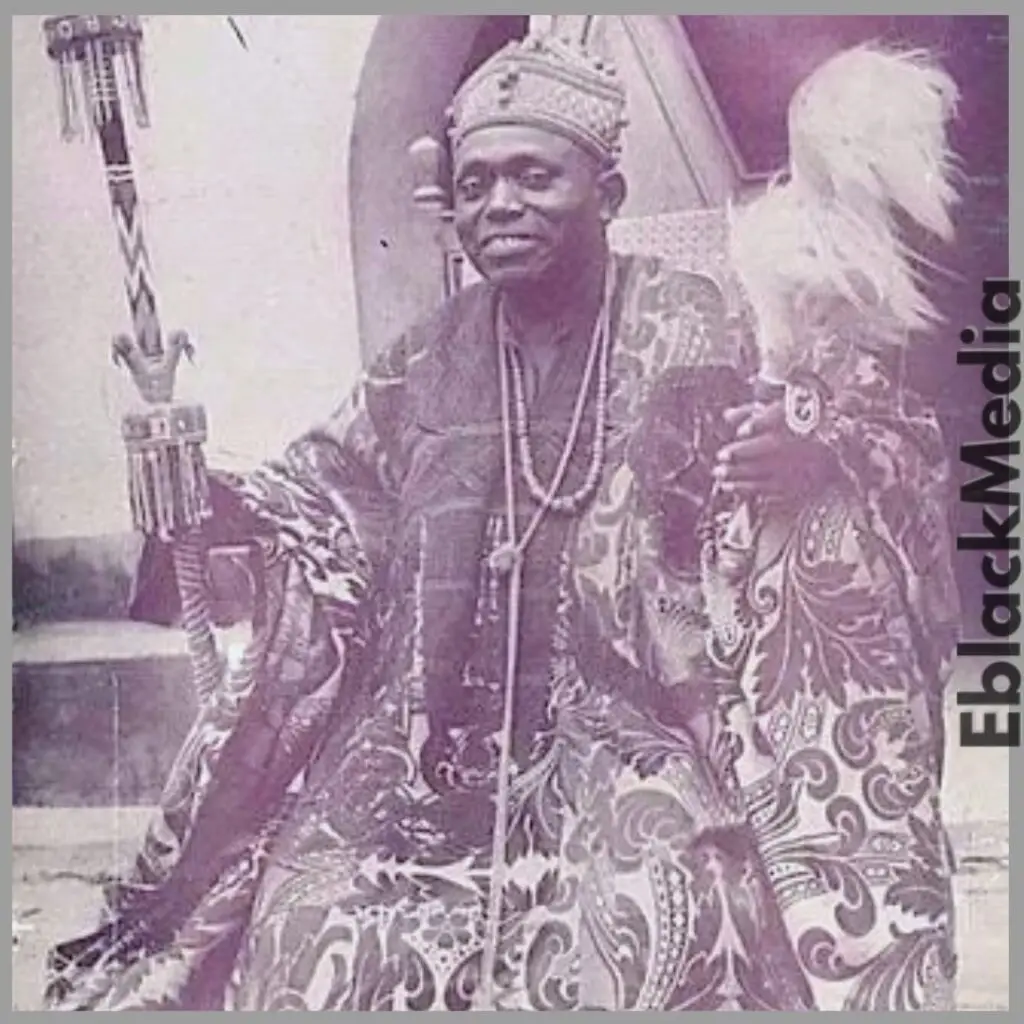
    On the 4th of April 1944 the people of Osogbo crowned a King, Ruler and Friend who in the words of the renowned Historian Ulli Beier in “Special Independence Issue of Nigeria Magazine. Nigeria 1960 described as

    “this enlightened ruler is worth meeting … jovial, tolerant and extremely generous … He can contribute to a conversation on any subject under the sun … has a delightful sense of humor.”

    ‘Osogbo’ a small and very peaceful Yoruba town which literal translation in English Language Means ”The Wizards Of The Forest” Crowned Oba Adenle Samuel Adisa the ‘Ataoja’ which means ”The One Who Drinks Water From The Fish’s Mouth”. This write up is a little insight into the life of the man who reshaped the face of the Osogbo people.

    Adetifewa a vibrant and disciplined young man grew up and took as wife Ayokunnu, popularly called ‘Kunnu of Ile Olubarin. The union however produced a son, Adeleye… Sadly, Adeleye died young but not before he and his wife, Awojumoke, sometimes called Olajumoke daughter of Adifa Ile Aleegun had in the early years of the 20th Century. Awojumoke’s mother was from Ile Aganna. The baby boy, born about January 1903, was named Adenrele (Adenle) Adisa Adeleye.

    Adenrele’s father’s name, “Adeleye” became his middle name while his given name, “Adenrele” or Adenle, became his last name …

    Ile Oluawo was not a Christian compound and Adenle would grow up before having “Samuel” added to his names when he became a Christian.”

    Young Adenle went to elementary school, thanks to an uncle, Oni-Kuku (Mr. Oni who was a cook to a missionary) who used to have the little boy visit him at his work place where the missionary soon noticed how the boy was always picking up pieces of paper to look at. He would later attend St. Andrew’s College, Oyo, Nigeria’s pre-eminent tertiary institution where he graduated in 1923.

    Teaching jobs took him to Ipetu-Ijesa, Ifaki in present-day Ekiti State and later, to Benin City where his brief included serving as a “Travelling Teacher” to as far as Onitsha.

    It was at Benin that the beginning of what would be a lucrative business career took off. As noted earlier, his mother was poor and illiterate. When Adenle wrote that she should buy what turned out to be a lorry load of chickens – adie – rather than adire – tie-dyed textiles that Osogbo has always been so noted for, hence the sobriquet, Osogbo Ilu aro – town of dyes – Papa and his first wife back then, Deborah Adeyoyin believed they had lost all their life savings. Adenle said his mother was in tears thinking that he had gone mad sending so much money to buy chickens!

    The truck load of chickens was very frightening but he and his wife fed the chickens that night after arrival and by morning when Papa went to work, his wife started running around so that they could get rid of the chickens before they would die. The chicken were all sold within days and the business of bringing chickens from Osogbo to Benin and around the Niger River for sale to re-sellers would be the seed money for his other businesses, especially becoming the sole distributor for salt at Osogbo which, by the 1930s, was already a thriving commercial center for towns and settlements up to Ekiti, Ondo, Owo, Ikare and Akure Divisions, major cities in present Ekiti & Ondo States.

    Adenle the founded Osogbo Grammar School in 1934– not to be confused with today’s Osogbo Grammar School, a community high school founded in 1950. It was a private secondary school over which he served as Principal but the school would fail, and he told us it was the despondency of losing what he had labored so much for that made him write the two Yoruba narrative poems. Here’s part of the commentary on the books:

    ”… S.A. Adenle was a provincial schoolmaster and Trader in Osogbo Western Nigeria in the 1920’s and 30’s he was also an inventor, who designed and built a mechanical loom using a bicycle wheel. Among his most notable inventions were two pamphlets written in Yoruba in a poetic form of his own devising. The second and longer pamphlet, in particular, seems to have no precedent and no sequel in Yoruba literary history. It is a 124-page didactic narrative poem which is rigorously metrical in the sense that every stanza is composed of lines containing exactly the same number of syllables – a strange feat when one considers that Yoruba is an unstressed tonal language and its orature is based on free and variable breath-groups rather than any form of metre. …”

    So, a door closed, and another opened although it would not last but it’s a joyful thing that he was able not only to complete the two volumes before becoming the Ataoja of Osogbo but he still had enough time during the early part of his reign that he issued another edition soon after ascending the throne of his forefathers. As the Oba, Papa brought far-reaching changes to the face of Osogbo: roads, modern local administration to the running of the town both during colonial days and after independence; he would reign for only 15 years after independence before answering the Home Call. As would be expected from an Andrian – products of the old St. Andrew’s College, Oyo, education was of particular interest to him. Every land back then was crown land which means that his say-so transferred properties to individuals and institutions.

    Unlike many in his positions as First Class Oba, Papa did not use his position to sign over huge land holdings to himself or his children and as Late Archdeacon Omigbodun who was Principal of [the new] Osogbo Grammar School for decades told it when interviewed for Papa’s biography, he only had to give a bottle of whisky or gin, a bottle that Papa had him open right there and shared with all the visitors to the Palace. Schools like Baptist Girls’ High School and others received huge pieces of land on which to build their schools and Papa was always a regular sight in those difficult early days, as narrated by an old student. The old student, Mrs. Omolara Kayode-Adedeji donated the two photographs on pages 87 & 88 of “Portrait of a Yoruba Oba” AND a special edition of the Window Pane that had been issued for the 50th anniversary of the school when she learnt a biography of Papa was being written. Here’s an excerpt from the pamphlet:

    “… The land on which the school stands was donated to the Nigerian Baptist Convention by our late Royal Father, that great visionary, intelligent, sagacious, eventful, enlightened and progressive leader, Oba Samuel Adeleye Adenle, the then Ataoja of Osogboland … This your unique deed has gone into the annals of The Baptists’ History in Nigeria …”

    At the Golden Anniversary celebrations, one of the founding students recalled how Papa used to vist the school twice weekly to check on how things were progressing and how students were doing. … The Window Pane referred to “the menace of snakes … thick woodlands and nearness to the Osun River … Such were his interest in those early educational institutions”. [Pages 86 & 87, “Portrait of a Yoruba Oba”.]

    After spending 31 years on the throne of his ancestors, Oba wa ja – the Yoruba do not say a king is dead and was buried on All Saints’ Day 197

    If the success of a monarch is measured by the progress his town records during his reign, then Papa can best be described as the Oba who took Osogbo into the modern era. Add to that his contributions in the fields of education, arts and culture, and you have a selless and forward-looking Oba who was well ahead of his time…

    …What did Oba Adenle Samuel Adisa achieve for Osogbo? … What was the difference between the town that he inherited in 1944 and the one he left in 1975? To know how his achievements are perceived by those outside his immediate family, and what people believe his contributions to Osogbo were … among others, Venerable J.L. Omigbodun for whom :”two incidents will always stand vivid in his memory”::

    “Kabiyesi’s selflessness was legendary but I will recall only two that keep recurring even after all these years. We wanted to grade the field for Osogbo Grammar School and somebody had informed me of the presence of a bulldozer at Gbongan. I arrived at the Palace as Kabiyesi was having ogi for breakfast. He left the food and got dressed. We drove in his car along Ede-Gbongan Road but the bulldozer was not there; neither was it at Gbongan nor Ife. We finally found it between Ife and Ilesa, anyway, and led it back to the school. Kabiyesi did not leave till the job was completely done and he got back to the Palace at 6.00 p.m. That was when he ate.

    The second incident was when I went to Kabiyesi to submit the plan for this very house. You know that Obas used to approve plans in those days. I had taken along the customary one guinea (one pound and one shilling) and a bottle of Schnapps. Kabiyesi opened the Schnapps straight aay and asked for cups. It was amazing that what was meant for him as gift he shared straight aay.

    Such selflessness! Osogbo was blessed to have him.

    [Ven. Omigbodun joined the Saints Triumphant two weeks after his 100th birthday in 2012].

    Sources; (1) Samuel Adenle I, Ataoja of Osogbo: Portrait of a Yoruba Oba by Depo Adenle with Tola Adenle (nee Adamolekun).